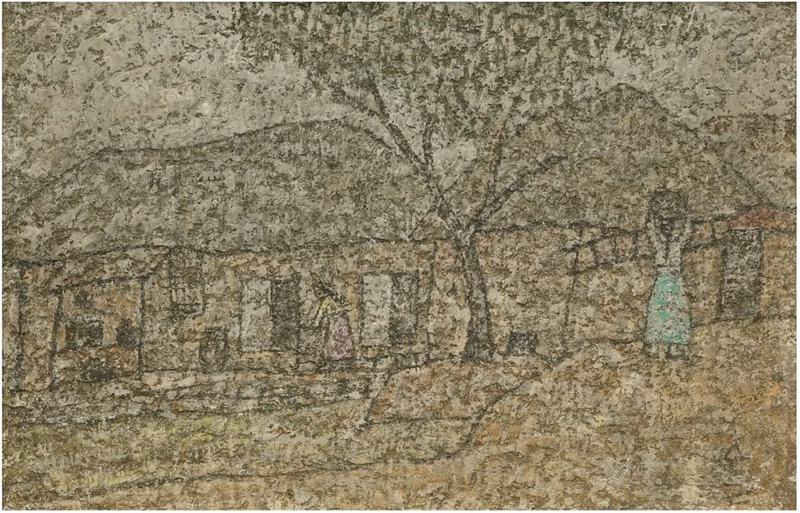
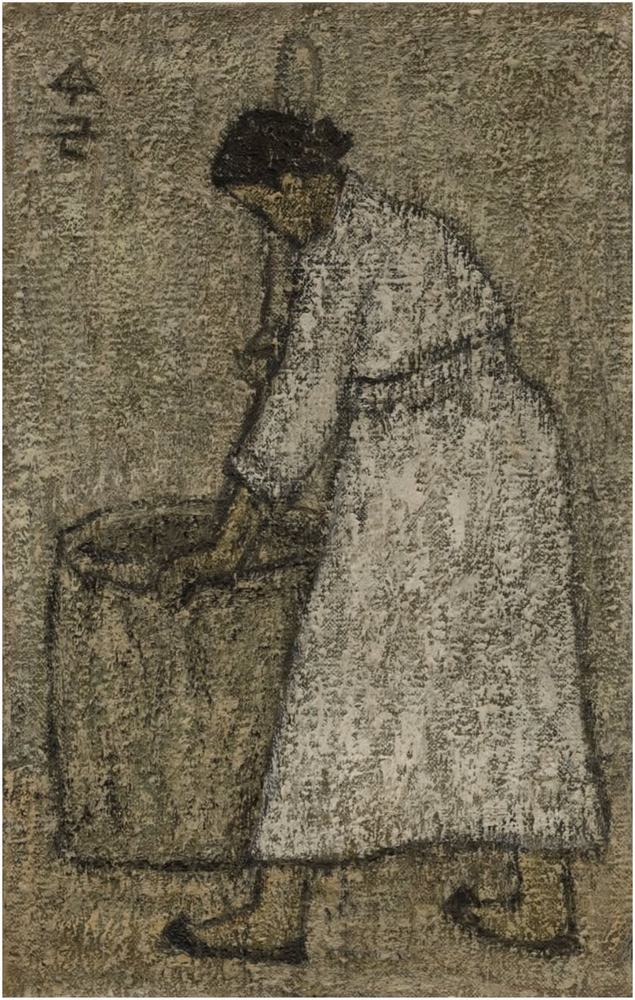
The Quilt, 1943
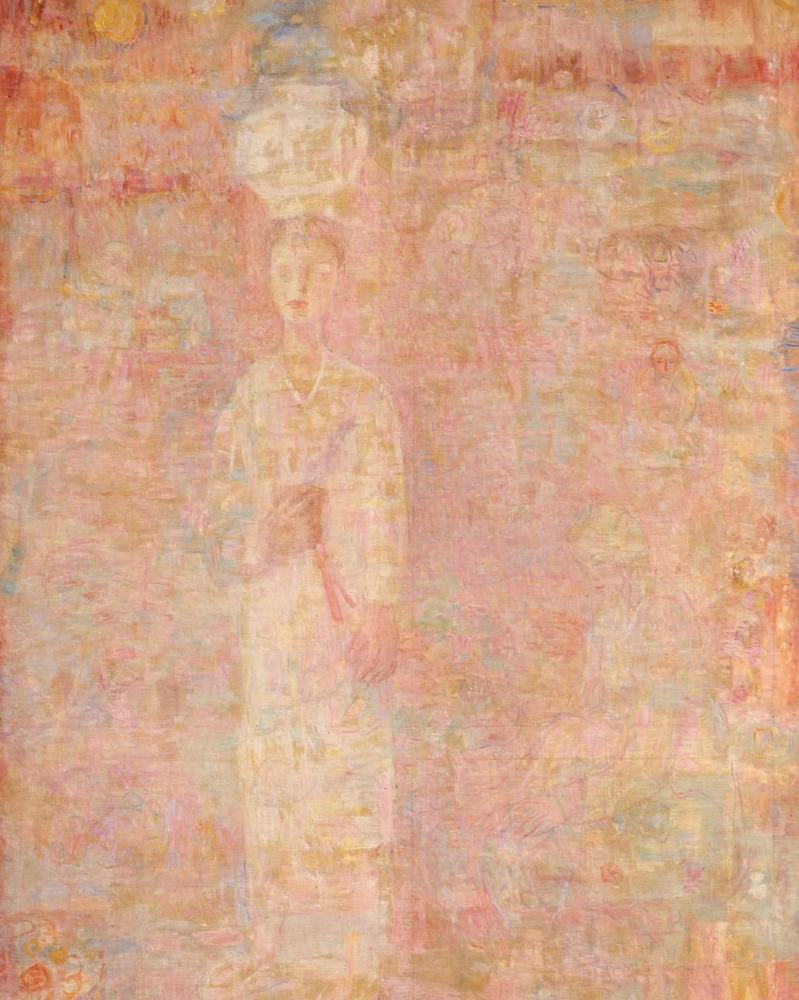
Ida could not read. She could do other things.
She was born in Meriwether County, Georgia, in a farmhouse that no longer exists, in a county you would have to look up on a map. Third of seven children. She married young, as women did there, and had children of her own, and raised them in a house with a garden and a good porch and very little money, and she did not, in any accounting she understood, consider herself to lack anything.
In Georgia in 1943, if you could not read, you could not vote. This was not an accident. The state had understood, since 1908, that illiteracy was a door it could keep locked. Black schools ran on what white schools didn't need. They closed for harvest. They shared books between twenty children or they had no books at all. Ida had gone for two years and then her mother needed her at home and that was the end of that. The state called this a literacy problem. It was not a literacy problem. It was a policy. The policy worked.
What the policy did not account for was the evenings. After supper, after the children were down, Ida sat at the table with a needle and whatever needed doing, and the house went quiet. That is when she made the quilt.
Her mother's housedress. Her father-in-law's work shirt, the elbows worn through. A neighbor's child's nightgown — the child had not survived the winter. She cut them into squares over the course of a year, one evening at a time, and sewed them together into something that held the shape of every person it had come from. When it was done she put it on the bed where it stayed for twenty years and was never discussed. Not because the family did not know what it was. Because they did.
She could not write down what those people had meant to her. She could not write down anything. But she could place a housedress next to a work shirt next to a child's nightgown and sew them into something that kept her family warm, and she could do this with such care that fifty years later her granddaughter would unfold it and sit with it in her lap for a long time without knowing exactly why.
The state of Georgia literacy-tested its Black citizens at the polls until 1965. By then Ida was old and her hands had begun to shake and she voted anyway, the first time, at sixty-three, in the same county where she was born. Someone had to read her the ballot. She did not find this ironic.
She already knew how to make herself understood.
更多故事